Abstract
This review explores the concept of “blood failure” in traumatic injury, which arises from the interplay of oxygen debt, the endotheliopathy of trauma (EoT), and acute traumatic coagulopathy (ATC). Traumatic hemorrhage leads to the accumulation of oxygen debt, which can further exacerbate hemorrhage by triggering a cascade of events when severe. Such events include EoT, characterized by endothelial glycocalyx damage, and ATC, involving platelet dysfunction, fibrinogen depletion, and dysregulated fibrinolysis. To manage blood failure effectively, a multifaceted approach is crucial. Damage control resuscitation strategies such as use of permissive hypotension, early hemorrhage control, and aggressive transfusion of blood products including whole blood aim to minimize oxygen debt and promote its repayment while addressing endothelial damage and coagulation. Transfusions of red blood cells, plasma, and platelets, as well as the use of tranexamic acid, play key roles in hemostasis and countering ATC. Whole blood, whether fresh or cold-stored, is emerging as a promising option to address multiple needs in traumatic hemorrhage. This review underscores the intricate relationships between oxygen debt, EoT, and ATC and highlights the importance of comprehensive, integrated strategies in the management of traumatic hemorrhage to prevent blood failure. A multidisciplinary approach is essential to address these interconnected factors effectively and to improve patient outcomes.
-
Keywords: Hemorrhage; Shock; Coagulopathy; Edotheliopathy; Wounds and injuries
Capsule Summary
What is already known
Traumatic injury is a significant global health concern, leading to a substantial number of deaths. Hemorrhage is a common cause of early trauma deaths and is exacerbated by acute traumatic coagulopathy. The endotheliopathy of trauma involves damage to the endothelial glycocalyx layer and contributes to coagulation and inflammation issues in trauma patients.
What is new in the current study
This study explores the interconnections between oxygen debt, endotheliopathy of trauma, and acute traumatic coagulopathy, collectively referred to as "blood failure," in the context of traumatic hemorrhage. It highlights the need for a comprehensive approach to managing traumatic hemorrhage using damage control resuscitation strategies, which include early and aggressive transfusion of blood products such as whole blood to address both oxygen debt and coagulation issues. The study emphasizes the importance of considering these factors together to improve outcomes in trauma patients.
INTRODUCTION
According to the Global Burden of Disease Study 2019 [
1], traumatic injury claimed the lives of 2.4 million people around the world and constituted 7.8% of all deaths. Although head injury and hemorrhage are the two most common causes of death from traumatic injury [
2], death due to head injury is reported to decrease with the development of the trauma care system and damage control interventions, whereas death due to hemorrhage does not decrease significantly [
3]. In addition, although hemorrhage is the most common cause of early trauma death, up to 50% of patients with traumatic hemorrhage can be potentially saved [
3,
4].
Traumatic hemorrhage is exacerbated by acute traumatic coagulopathy (ATC). In the past, traumatic coagulopathy was attributed to hemodilution from crystalloid fluid resuscitation, along with progressive hypothermia and acidosis, and was considered an unavoidable consequence of resuscitation. However, Brohi et al. [
5] reported that clinically relevant ATC may not be related to fluid administration. They found that patients with evidence of ATC on arrival to the emergency department had significantly higher mortality that was positively correlated with the severity of the injury and not the volume of intravenous fluid administered. Another study by Floccard et al. [
6] and Brohi et al. [
7] reported that coagulopathy existed at the site of injury in about half the trauma patients managed by mobile intensive care units, and its severity was related to the degrees of injury and hypoperfusion. Thus, if trauma patients experience more severe injuries with significant hemorrhage, hemostasis becomes more challenging. To overcome ATC in severely injured patients, current practices in trauma resuscitation include rapid control of bleeding and maintenance of blood’s hemostatic ability, termed “damage control resuscitation” or “hemostatic resuscitation.” These methods include the use of blood products with very limited use of crystalloid therapy to reduce mortality [
8–
12].
Timely hemostatic resuscitation using a balanced transfusion ratio of red blood cells (RBCs), plasma, and platelets or whole blood coupled with the use of antifibrinolytic agents such as tranexamic acid has not only improved outcomes, but also decreased inflammatory complications (acute respiratory distress syndrome), number of operations, and the overall amount of used blood products [
10]. Thus, hemostatic resuscitation in patients with traumatic hemorrhage appears to give additional protection due in part to its effects on the endothelium, which is injured by hemorrhagic shock [
13]. The term “endotheliopathy of trauma (EoT)” was first used by Holcomb and Pati [
14] and describes the early damage of the endothelial glycocalyx layer (EGL) after injury. Breakdown of the EGL increases vascular permeability resulting in capillary leakage and exposure of endothelial cells to platelets and white blood cells. These promote thromboinflammation, edema, and organ-barrier dysfunction [
15].
ACT and EoT appear to be intricately connected and correlated based on the degree of hypoperfusion. Therefore, this review aims to explore the interconnectedness between these entities.
TRAUMATIC HEMORRHAGE AND OXYGEN DEBT
The relationship between oxygen delivery and oxygen consumption is biphasic (
Fig. 1). In a normal resting state, metabolic demand and consumption of oxygen (VO
2) are independent of oxygen delivery (DO
2). This steady state of consumption is achieved by tissues extracting larger amounts of oxygen, resulting in hemoglobin leaving organs with lower levels of oxygen saturation. However, when DO
2 decreases below a critical point (critical DO
2), the levels of oxygen extraction cannot support aerobic metabolism. At this point, major organ systems enter a state of anaerobic metabolism, and an oxygen deficit occurs. Increase of this level (degree of VO
2 below aerobic threshold) over time is the oxygen debt, which can be viewed as whole-body ischemia. Although it is measured precisely in a laboratory setting by indirect calorimetry, oxygen debt can also be reflected clinically (and less precisely) by sequential measures of lactate. Traumatic hemorrhage results in a decrease in DO
2 through decreases in cardiac output and blood oxygen content. Additional factors such as vasoconstriction add to a further reduction in DO
2 to tissues [
16,
17]. The resulting oxygen debt quantitatively predicts survival and the development of multiple organ failure after hemorrhage [
18–
20]. The magnitude of oxygen debt is also linked to levels of mitochondrial dysfunction, oxidative reperfusion injury, and inflammation, leading to necrosis and apoptosis, which contribute to organ dysfunction or failure and even death. The mechanisms of oxygen debt and the resulting cascade of injury also have implications for endothelial damage and coagulation.
Rapid resuscitation from traumatic hemorrhagic shock is critical to not only halt the further accumulation of oxygen debt, but also for its repayment [
16]. Failure to repay oxygen debt in a timely manner results in increased reperfusion and inflammatory injury, organ dysfunction, and possible death [
21]. However, the ability to ensure repayment is challenging given the biphasic relationship between oxygen delivery and consumption. Stabilizing patients just above critical DO
2 will halt anaerobiosis and assist lactate clearance but may not produce the above-baseline levels of VO
2 that will result in partial or full repayment. However, early and rapid clearance of lactate appears to be associated with improved chances of oxygen debt repayment.
BLOOD AS AN ORGAN: DEFINITION OF BLOOD FAILURE
A body organ is a structural unit consisting of variable cells that work together in coordinated functions. Blood in the circulatory system is enveloped by the endothelium; the vascular endothelium, as a conduit for blood, coordinates the physiological transport of oxygen, carbon dioxide, nutrients, and waste products and connecting physically distant organs. In addition, the endothelium maintains the fluidity of blood by preventing the formation of blood clots through a thromboresistant surface and anticoagulant mediators that function in the endothelium under normal circumstances. Thus, the blood and the endothelium interact intimately, and the blood-endothelial system can be viewed as an individual organ. In this context, it may be considered the largest integrated functional organ system in the body. As such, the blood-endothelial system is a major target of damage from trauma, hemorrhage, hypoperfusion, and reperfusion injury. Traumatic hemorrhage is capable of inducing endothelial dysfunction and damage, which is believed to begin a cascade of ATC [
22,
23].
It has been suggested that oxygen debt is the main driver behind ATC [
5], and reperfusion injury caused by resuscitation may damage fibrinogen and fibrin [
24], weakening clots weaker, exacerbating hemorrhage, and worsening oxygen debt. Thus, oxygen debt, endotheliopathy, and ATC are interconnected and are considered collectively as “blood failure” (
Fig. 2). Blood failure can be defined as an emergent state of blood that arises during the accumulation of a critical level of oxygen debt.
When oxygen debt occurs, cellular energetic processes change from aerobic to anaerobic metabolism. Normally, oxygen acts as a terminal electron acceptor in the mitochondrial electron transport chain (ETC). Specifically, glucose and fatty acids are metabolized in the cytoplasm and mitochondria, respectively, generating high-energy electron carriers, such as NADH and FADH
2. These electron carriers donate their electrons to the ETC, where they pass through a series of protein complexes, including complexes I, II, and III. Finally, at complex IV, molecular oxygen (O
2) serves as the final electron acceptor. At this stage, oxygen accepts the electrons donated by the electron carriers and, together with protons (H
+) from the mitochondrial matrix, forms water (H
2O). This electron transfer reaction allows the flow of electrons to continue within the ETC, producing the proton gradient that drives the synthesis of adenosine triphosphate (ATP) through ATP synthase. The use of oxygen as the terminal electron acceptor in complex IV is crucial for efficient production of ATP, providing the cell with a continuous and robust energy supply to support essential functions. However, under conditions of critically low oxygen delivery, the ETC may leak electrons, leading to the production of reactive oxygen species (ROS). These ROS, including superoxide anion and hydrogen peroxide, can damage cellular components, such as lipids, proteins, and DNA. Electron leaks occur when electrons prematurely escape the ETC and react with oxygen, bypassing complex IV. This uncoupling of electron flow from ATP synthesis disrupts energy production, exacerbates cellular stress, and contributes to mitochondrial dysfunction. In addition, lactate accumulates as a byproduct when the rate of glycolysis exceeds the capacity of oxidative metabolism to utilize pyruvate. This process helps sustain energy production in cells but leads to lactate accumulation, which can decrease pH and metabolic acidosis. Moreover, neurovascular compensation through sympathetic activation and catecholamine release activates Na
+/K
+-ATPase, increasing lactate production [
25] and constricting blood vessels to further reduce blood flow to organs and increase tissue hypoxia. Changes in blood redox potential, accumulation of lactic acid, and an increase of catecholamine resulting from the accumulation of oxygen debt affect endothelial cells and blood components and cause EoT and ATC, which represent blood failure [
26–
28].
ENDOTHELIOPATHY OF TRAUMA
The endothelium is one of the largest parts of the human body, occupying a blood-endothelial interface measuring approximately 300 to 1,000 m
2 [
29]. The endothelium is formed by a single cell layer and lines all blood and lymphatic vessels. The physiological function of the endothelium includes control of vascular tone, inflammation, angiogenesis, and regulation of coagulation and fibrinolysis [
14,
30,
31]. The endothelial glycocalyx lines the inner surface of the vascular endothelium and consists of membrane-bound proteoglycans, glycoproteins, and soluble plasma or endothelium-derived molecules [
32]. When traumatic hemorrhage-induced oxygen debt occurs, it results in hypoxia and catecholamine release. In addition, release of inflammatory mediators and enzymes such as matrix metalloproteinases and heparanases from injured tissue and leukocytes induce shedding of the glycocalyx [
22,
33,
34]. This shedding from the endothelial surface results in loss of barrier function, leading to capillary leaks; exposure of heparan sulfate from endothelial cells, which contributes to coagulopathy through autoheparinization; and release of damage-associated molecular patterns, contributing to systemic inflammation [
35–
38]. Glycocalyx shedding also exposes the endothelial cell surface and initiates nonspecific adhesion of platelets and leukocytes and generation of thrombin [
39,
40]. In addition to glycocalyx shedding, ROS and circulating proinflammatory cytokines such as TNF-α and interleukin 6 (IL-6) induce endothelial cells to propagate innate immune responses [
41,
42]. This shedding of the endothelial glycocalyx and endothelial cell activation result in capillary leaks, nonspecific intravascular coagulation, and inflammation throughout the systemic endothelium of the body. In other words, this is not a localized effect at the site of a traumatic injury.
In clinical studies, shedding of the endothelial glycocalyx is associated with poor outcomes, and increasing plasma levels of the biomarkers syndecan-1, thrombomodulin, hyaluronan, and heparan sulfate are correlated with the severity of traumatic injury [
43–
46].
ACUTE TRAUMATIC COAGULOPATHY
Coagulopathy after traumatic hemorrhage has long been acknowledged and considered a co-phenomenon and inevitable consequence of large-volume crystalloid resuscitation, hypothermia, and metabolic acidosis. However, endogenous coagulopathy caused by the severity of the traumatic injury itself and the degree of traumatic shock has been recognized and named ATC [
5,
47]. ATC is a complex and multifactorial condition that begins in the early stages of traumatic hemorrhage and can rapidly progress as level of oxygen debt increases. Several mechanisms of ATC have been proposed, with additional proposals under investigation. Despite this, it is agreed that ATC involves disturbances in platelet function, fibrinogen depletion, and dysregulated fibrinolysis, leading to impaired blood clotting, excessive bleeding, and potential accumulation of greater oxygen debt.
Platelet dysfunction is a critical aspect of ATC. Trauma-induced shock and tissue injury can activate platelets, causing them to aggregate and release procoagulant substances. However, platelets may also become dysfunctional, leading to decreased clot formation and impaired hemostasis. In a swine traumatic hemorrhage model, it was demonstrated that clot strength is reduced as oxygen debt increases despite unchanged platelet count [
48]. In addition, inhibition of platelet function eliminated increases in the firmness of clots in a rat polytrauma model [
49]. These findings suggest the importance of platelet function in clot strength, and platelet dysfunction results in weak clots. It has also been reported that platelets from trauma patients show impaired aggregation to
ex vivo agonist stimulation independent of platelet count, and this is more pronounced in nonsurvivors [
50,
51]. Impaired aggregation of platelets was shown to develop very quickly in a porcine model of traumatic hemorrhage and can occur within 15 minutes of injury [
52]. The precise mechanism is not known but involves the endothelial release of tissue factor, platelet-activating factor, and von Willebrand factor [
53,
54], which activates platelets beyond their primary role of hemostasis. This phenomenon is referred to as “platelet exhaustion” [
51,
55,
56]. Circulating soluble factors, which remain undefined, are thought to mediate platelet exhaustion [
57], and a platelet transfusion may not necessarily reverse platelet dysfunction [
58,
59]. In addition to impaired platelet aggregation in patients with traumatic hemorrhage, impairments in the adhesive function of platelets to collagen and contractile force have been reported [
60,
61]. Platelets with an impaired aggregation response also contribute to tissue plasminogen activator (tPA)-mediated fibrinolysis due to impaired platelet plasminogen activator inhibitor-1 (PAI-1) [
62].
Poor survival has been reported in trauma patients with diminished level of fibrinogen [
63]. In a swine model of trauma and hemorrhage, fibrinogen was significantly reduced with increasing oxygen debt [
48]. Fibrinogen is converted to fibrin by thrombin and forms a hemostatic plug, together with platelets. It is the terminal substrate for the coagulation cascade and must be maintained at a minimum level for effective hemostasis. The mechanisms for diminished level of fibrinogen in traumatic hemorrhage include impairment of fibrinogen synthesis due to hypothermia, accelerated degradation by acidosis and reperfusion injury, and consumption in clot formation with additional blood loss and hemodilution, further decreasing fibrinogen level [
64–
66].
Dysregulated fibrinolysis may also be involved in ATC, but the exact mechanism in patients with traumatic hemorrhage remains unclear. Exposure of tissue factors by injury and endothelial disruption activates the extrinsic coagulation pathway and generates thrombin, leading to fibrin and clot formation. Initially, the clotting process is localized at the site of injury, but escape of thrombin from the injury site activates the systemic coagulation process [
67]. Normally, thrombin escaped from the injury site is inhibited by circulating antithrombin and thrombomodulin expressed on endothelial cells, and the thrombin-thrombomodulin complex activates protein C to maintain tissue perfusion by inhibiting thrombosis. However, persistent tissue hypoperfusion induces endothelial cell damage, which increases the levels of soluble thrombomodulin and the thrombin-thrombomodulin complex to excessively activate protein C and interfere with blood coagulation [
67]. It has been reported that soluble thrombomodulin and activated protein C were increased in trauma patients and are associated with poor clinical outcomes [
68]. Although activated protein C is involved in control of fibrinolysis by cleavage of factors Va and VIIIa, as well as binding of PAI-1, and is suggested as a major driver of ATC, the level of activated protein C in trauma patients cannot cleave factor Va efficiently [
69]. Rather, hyperfibrinolysis observed in ATC might be associated with the overwhelming systemic release of tissue plasminogen activator from Weibel-Palade bodies stored in endothelial cells and loss of alpha2 antiplasmin and PAI-1 [
70–
75]. Another concept of dysregulated fibrinolysis is termed “fibrinolysis shutdown” and has been reported as the most common phenotype of dysregulated fibrinolysis in severe trauma patients [
76]. Patients who exhibited fibrinolysis shutdown experienced prior hyperfibrinolysis, including elevation of D-dimers and depletion of fibrinolytic inhibitors [
77]. The mechanism of fibrinolysis shutdown is not fully identified. A surge in PAI-1, shedding of S100A10 plasminogen receptor protein from the surface of endothelial cells that normally drive the hyperfibrinolysis process, and increased level of thrombin-activatable fibrinolysis inhibitor in plasma have been suggested [
78–
80]. The extent of these processes and level of fibrinolysis are greatest in patients with rapid and massive hemorrhage and reflected in higher oxygen debt [
62,
76].
CONSIDERATIONS IN THE MANAGEMENT OF BLOOD FAILURE
As indicated above, severe traumatic hemorrhage can result in blood failure, which is collectively composed of oxygen debt, EoT, and ATC. Increasing levels of EoT and ATC will complicate hemostasis, leading to accumulation of greater oxygen debt. To prevent or reverse blood failure in patients with traumatic hemorrhage, immediate control of hemorrhage and repayment of oxygen debt must be combined with simultaneous treatment of both endothelial injury and coagulopathy. Damage control resuscitation (DCR) or hemostatic resuscitation is a strategic approach in patients with severe injuries and hemorrhagic shock. DCR includes immediate control of ongoing hemorrhage, early balanced transfusion of blood products with other hemostatic agents, and permissive hypotension. The combination and simultaneous execution of these strategies reduce the degree of blood failure.
Transfusion of packed RBCs (pRBCs) increases the oxygen-carrying capacity, cardiac output, and thus DO
2. In addition, RBCs influence hemostasis as evidenced by increased accumulation of platelets at a high hematocrit level and the association of increased RBC count with predisposition to thrombosis [
81,
82]. The proposed mechanisms include increased platelet adhesion and aggregation through the release of adenosine diphosphate and thromboxane A2, the release of membrane-derived procoagulant microvesicles, and aggregation of RBCs with platelets via adhesive molecules [
83]. Thus, early use of pRBCs can help to decrease the oxygen debt and provide additional hemostatic effects. There has been concern that pRBCs stored a long period might have altered oxygen affinity and delivery, rheological changes, and adhesiveness to the endothelium, which might affect outcomes [
84–
86]. However, a recent multicenter, randomized blinded trial did not show any benefit of fresh RBCs in critically ill patients, although most of the patients were not victims of trauma [
87,
88].
Most guidelines recommend the transfusion of a high ratio of plasma to RBCs, with the majority recommending a 1:1 ratio. Transfusion of plasma increases cardiac output through intravascular volume expansion and supplements coagulation factors to increase hemostatic ability. Additionally, plasma may provide endothelial protection, assisting in recovery of the endothelial glycocalyx, abrogating endothelial hyperpermeability and inflammation, and restoring syndecan-1 expression in the lungs [
89–
92]. Plasma also promotes homeostasis in thrombin generation [
93]. Considering that EoT and ATC develop rapidly after injury, prehospital plasma transfusion may be helpful. Based on this, several militaries have invested in the development and deployment of lyophilized plasma that can be stored, carried, and reconstituted in field environments. However, controversial reports exist on the benefits of prehospital administration of plasma alone on survival and may reflect the need for additional components (pRBCs and platelets) during longer transport times [
94,
95]. While minor, transfusion of plasma has risks including infectious disease transmission and triggering of transfusion-related acute lung injury [
96,
97].
Early platelet transfusion in conjunction with pRBCs (1:1 ratio) is associated with improved outcomes in traumatic hemorrhage [
98]. Platelets contribute to hemostasis by increasing thrombin formation, clot firmness, and resistance to clot lysis [
99]. However, platelets have a limited shelf-life, compromising immediate availability. Platelets are traditionally stored at room temperature to maintain function, but storage is usually limited to 5 days due to growth of bacterial contaminants. However, evidence suggests that storage of platelets at 4 °C may extend the effective lifespan for up to 14 days and may decrease the risk of infectious complications [
100–
102]. Although cold-stored platelets remain in circulation for a shorter period, they showed better hemostatic function and greater capacity to inhibit endothelial permeability than platelets stored at room temperature [
101,
102].
Fresh and cold-stored whole blood is a growing alternative to the 1:1:1 ratio of pRBCs, plasma, and platelets. The use of whole blood can not only restore oxygen-carrying capacity, but also mitigate endotheliopathy and coagulopathy simultaneously and simplify the logistics of massive transfusion protocols. The use of whole blood has been limited to military medicine, but its use has been increasing recently in civilian trauma including several prehospital ground and air ambulance systems [
103–
106]. Although no large randomized control trial currently exists, the use of whole blood has been reported as feasible and associated with improved survival in several studies [
107–
111].
Transfusion of cryoprecipitate, a rich source of fibrinogen, factor VIII, and von Willebrand factor, and fibrinogen concentrate can be used for supplementing fibrinogen and enhancing hemostasis. A minimal level of fibrinogen is required to maintain effective hemostasis. It has been reported that the use of fibrinogen concentrates or cryoprecipitate in trauma patients resulted in better survival [
112–
117]. However, there are controversies surrounding the effect of fibrinogen supplements on traumatic hemorrhage. A meta-analysis that included four randomized controlled trials [
118] found that fibrinogen concentrate had no significant benefit on mortality, although the quality of evidence was graded low to moderate.
Current practice standards for DCR recommend early administration of tranexamic acid (TXA) for facilitating hemostasis. The CRASH-2 (Clinical Randomisation of an Antifibrinolytic in Significant Haemorrhage 2) trial [
119] demonstrated that administration of TXA within 3 hours of injury significantly reduced mortality, especially in hypotensive patients. Although a recent study [
120] comparing TXA and placebo within 2 hours of injury in prehospital patients with hypotension (systolic blood pressure, <90 mmHg) and tachycardia (heart rate, >110 beats/min) did not result in significantly lower mortality, a subgroup analysis of patients with severe shock (systolic blood pressure, <70 mmHg) or TXA administered within 1 hour of injury showed a survival benefit. Thus, TXA may be beneficial only in patients with severe shock and should be used shortly after the trauma event. The potential risk of TXA treatment is the development of venous thromboembolism (VTE), as demonstrated in retrospective studies of trauma patients [
121,
122]. Administration of TXA may increase the incidence of fibrinolysis shutdown, and patients in the CRASH-2 trial who received TXA at 3 hours after injury had an increased risk of death [
66,
123]. In addition, a small, single-center, randomized trial [
124] compared placebo with 2 or 4 g TXA administration within 2 hours of trauma in patients requiring a transfusion of at least 1 unit of RBC and showed a dose-dependent increase of thromboembolic events. Furthermore, a large study administering TXA continuously for 24 hours in patients with acute gastrointestinal bleeding [
125] showed a higher incidence of VTE. Thus, the use of TXA should be guided by coagulation status in patients. Conventional coagulation tests, such as prothrombin time, activated partial thromboplastin time, fibrinogen level, and platelet count, are unable to identify the status of hyperfibrinolysis or hypofibrinolysis. However, viscoelastic hemostatic assays can provide more comprehensive information about the coagulation status of patients rapidly and in real-time [
22,
126].
Permissive hypotension before and during definite bleeding control is advocated to limit ongoing hemorrhage by reducing hydrostatic pressure while maintaining a level of critical vital organ perfusion [
127–
132]. During permissive hypotension, providers control resuscitation so that systolic blood pressure does not exceed a targeted pressure (e.g., 100–110 mmHg). This strategy may reduce the degree of noncompressible torso hemorrhage until definitive surgical hemostasis can be achieved. However, prolonged definite bleeding control can produce permissive hypotension to result in additional accumulation of oxygen debt and must be balanced. Such strategies are even more complicated in patients in shock who also have traumatic brain injuries, in whom the recommended minimal systolic blood pressure is 110 to 120 mmHg [
133,
134]. The balance between permissive hypotension and avoiding the accumulation of additional oxygen debt is not trivial. The use of blood product resuscitation will help maximize the potential benefit of permissive hypotension.
CONCLUSION
Blood and the vascular endothelium can be considered a single organ system that can fail because of oxygen debt incurred during traumatic hemorrhage and its repair. The severity of this failure is exhibited through the development of EoT and ATC. This interplay among oxygen debt, EoT, and ATC drives the concept of "blood failure," where the disruption of normal physiological homeostasis results in a cascade of negative effects.
Efforts in managing blood failure involve a multifaceted approach. DCR strategies, such as permissive hypotension, early control of hemorrhage, and balanced transfusion of blood products, aim to limit the accumulation of oxygen debt and maximize its repayment, alleviate endothelial damage, and restore coagulation. Transfusion of pRBCs, plasma, and platelets and the use of TXA are essential components of DCR, contributing to hemostasis and mitigating the effects of ATC. Additionally, the use of whole blood, whether fresh or cold-stored, is emerging as a promising approach to address the holistic needs of trauma patients. The intricate relationships between these factors highlight the urgent need for comprehensive, integrated strategies that consider the interconnected nature of traumatic hemorrhage, blood failure, and its associated complications. This review sheds light on synergistic relationships and emphasizes the importance of multidisciplinary approaches to effectively manage traumatic hemorrhage and to mitigate its detrimental consequences.
NOTES
-
Author contributions
Conceptualization: all authors; Formal analysis: all authors; Investigation: all authors; Methodology: all authors; Writing–original draft: all authors; Writing–review & editing: all authors. All authors have read and approved the final manuscript.
-
Conflicts of interest
The authors have no conflicts of interest to declare.
-
Funding
The authors received no financial support for this study.
-
Data availability
Data sharing is not applicable as no new data were created or analyzed in this study.
Fig. 1.Biphasic relationship between oxygen delivery (DO2) and consumption of oxygen (VO2). An increase in lactate occurs at the point of critical DO2 and is also biphasic. The cumulative oxygen deficit over time is termed the oxygen debt.
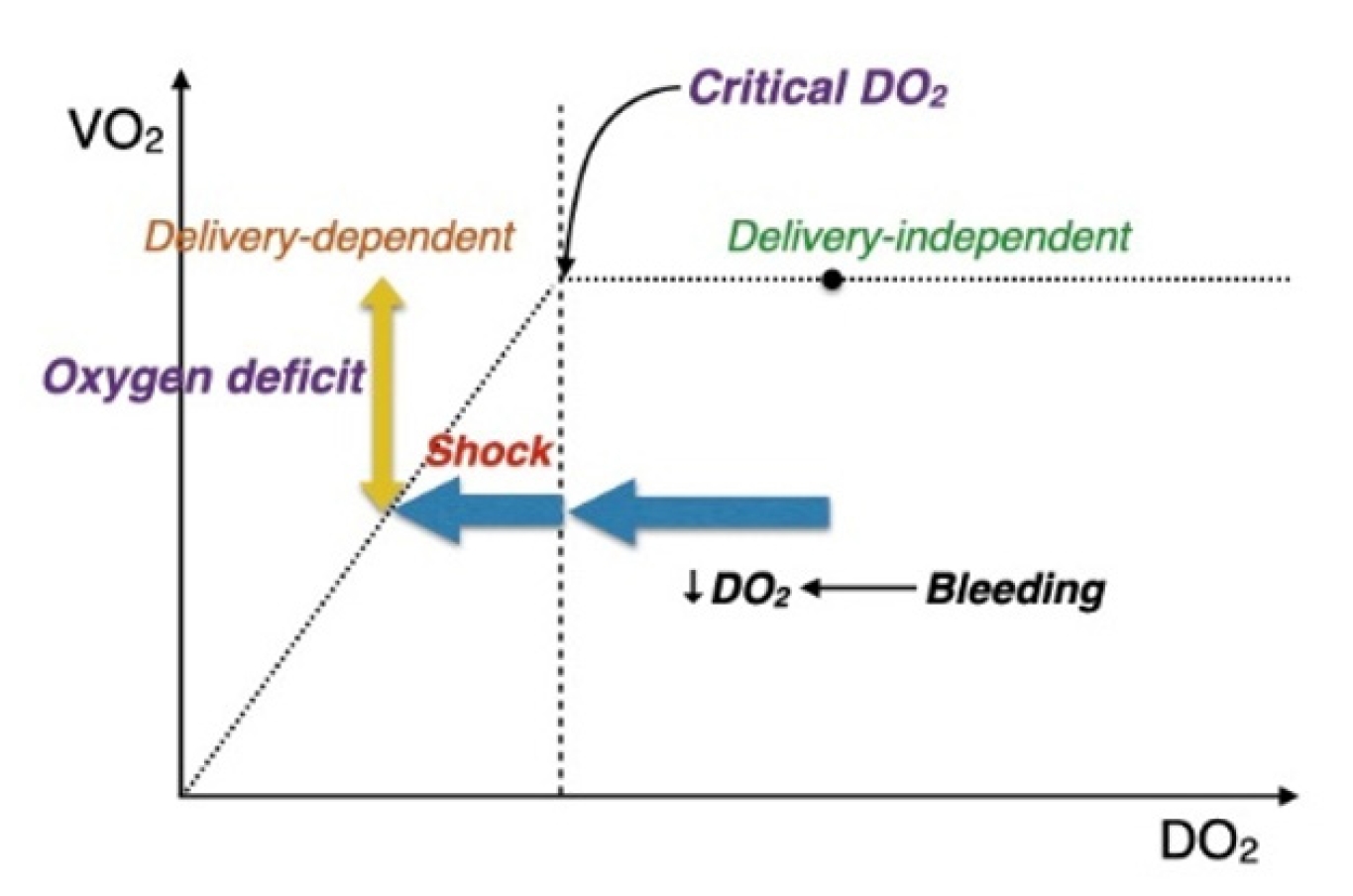
Fig. 2.Schematic representation of blood failure and proposed mechanisms. ATP, adenosine triphosphate; DAMP, damage-associated molecular patterns.

REFERENCES
- 1. GBD 2019 Diseases and Injuries Collaborators. Global burden of 369 diseases and injuries in 204 countries and territories, 1990-2019: a systematic analysis for the Global Burden of Disease Study 2019. Lancet 2020;396:1204-22.
- 2. Sobrino J, Shafi S. Timing and causes of death after injuries. Proc (Bayl Univ Med Cent) 2013;26:120-3.
- 3. Koh EY, Oyeniyi BT, Fox EE, et al. Trends in potentially preventable trauma deaths between 2005-2006 and 2012-2013. Am J Surg 2019;218:501-6.
- 4. Bansal V, Fortlage D, Lee JG, Costantini T, Potenza B, Coimbra R. Hemorrhage is more prevalent than brain injury in early trauma deaths: the golden six hours. Eur J Trauma Emerg Surg 2009;35:26-30.
- 5. Brohi K, Singh J, Heron M, Coats T. Acute traumatic coagulopathy. J Trauma 2003;54:1127-30.
- 6. Floccard B, Rugeri L, Faure A, et al. Early coagulopathy in trauma patients: an on-scene and hospital admission study. Injury 2012;43:26-32.
- 7. Brohi K, Cohen MJ, Ganter MT, Matthay MA, Mackersie RC, Pittet JF. Acute traumatic coagulopathy: initiated by hypoperfusion: modulated through the protein C pathway? Ann Surg 2007;245:812-8.
- 8. Borgman MA, Spinella PC, Perkins JG, et al. The ratio of blood products transfused affects mortality in patients receiving massive transfusions at a combat support hospital. J Trauma 2007;63:805-13.
- 9. Holcomb JB, Wade CE, Michalek JE, et al. Increased plasma and platelet to red blood cell ratios improves outcome in 466 massively transfused civilian trauma patients. Ann Surg 2008;248:447-58.
- 10. Cotton BA, Reddy N, Hatch QM, et al. Damage control resuscitation is associated with a reduction in resuscitation volumes and improvement in survival in 390 damage control laparotomy patients. Ann Surg 2011;254:598-605.
- 11. Holcomb JB, del Junco DJ, Fox EE, et al. The prospective, observational, multicenter, major trauma transfusion (PROMMTT) study: comparative effectiveness of a time-varying treatment with competing risks. JAMA Surg 2013;148:127-36.
- 12. Holcomb JB, Tilley BC, Baraniuk S, et al. Transfusion of plasma, platelets, and red blood cells in a 1:1:1 vs a 1:1:2 ratio and mortality in patients with severe trauma: the PROPPR randomized clinical trial. JAMA 2015;313:471-82.
- 13. Pati S, Matijevic N, Doursout MF, et al. Protective effects of fresh frozen plasma on vascular endothelial permeability, coagulation, and resuscitation after hemorrhagic shock are time dependent and diminish between days 0 and 5 after thaw. J Trauma 2010;69 Suppl 1:S55-63.
- 14. Holcomb JB, Pati S. Optimal trauma resuscitation with plasma as the primary resuscitative fluid: the surgeon's perspective. Hematology Am Soc Hematol Educ Program 2013;2013:656-9.
- 15. Moore KH, Murphy HA, George EM. The glycocalyx: a central regulator of vascular function. Am J Physiol Regul Integr Comp Physiol 2021;320:R508-18.
- 16. Barbee RW, Reynolds PS, Ward KR. Assessing shock resuscitation strategies by oxygen debt repayment. Shock 2010;33:113-22.
- 17. Siegel JH. Through a glass darkly: the lung as a window to monitor oxygen consumption, energy metabolism, and severity of critical illness. Clin Chem 1990;36:1585-93.
- 18. Shoemaker WC, Appel PL, Kram HB, Waxman K, Lee TS. Prospective trial of supranormal values of survivors as therapeutic goals in high-risk surgical patients. Chest 1988;94:1176-86.
- 19. Shoemaker WC, Appel PL, Kram HB. Tissue oxygen debt as a determinant of lethal and nonlethal postoperative organ failure. Crit Care Med 1988;16:1117-20.
- 20. Dunham CM, Siegel JH, Weireter L, et al. Oxygen debt and metabolic acidemia as quantitative predictors of mortality and the severity of the ischemic insult in hemorrhagic shock. Crit Care Med 1991;19:231-43.
- 21. Rixen D, Siegel JH. Bench-to-bedside review: oxygen debt and its metabolic correlates as quantifiers of the severity of hemorrhagic and post-traumatic shock. Crit Care 2005;9:441-53.
- 22. Johansson PI, Stensballe J, Ostrowski SR. Shock induced endotheliopathy (SHINE) in acute critical illness: a unifying pathophysiologic mechanism. Crit Care 2017;21:25.
- 23. Kregel HR, Hatton GE, Isbell KD, et al. Shock-induced endothelial dysfunction is present in patients with occult hypoperfusion after trauma. Shock 2022;57:106-12.
- 24. Burney PR, White N, Pfaendtner J. Structural effects of methionine oxidation on isolated subdomains of human fibrin D and αC regions. PLoS One 2014;9:e86981.
- 25. James JH, Luchette FA, McCarter FD, Fischer JE. Lactate is an unreliable indicator of tissue hypoxia in injury or sepsis. Lancet 1999;354:505-8.
- 26. Song P, Zou MH. Redox regulation of endothelial cell fate. Cell Mol Life Sci 2014;71:3219-39.
- 27. Lopez Garcia de Lomana A, Vilhjalmsson AI, McGarrity S, et al. Metabolic response in endothelial cells to catecholamine stimulation associated with increased vascular permeability. Int J Mol Sci 2022;23:3162.
- 28. Di Battista AP, Rizoli SB, Lejnieks B, et al. Sympathoadrenal activation is associated with acute traumatic coagulopathy and endotheliopathy in isolated brain injury. Shock 2016;46:96-103.
- 29. Feletou M. The endothelium. Part 1: multiple functions of the endothelial cells: focus on endothelium-derived vasoactive mediators. Morgan & Claypool Life Sciences; 2011.
- 30. Jenkins DH, Rappold JF, Badloe JF, et al. Trauma hemostasis and oxygenation research position paper on remote damage control resuscitation: definitions, current practice, and knowledge gaps. Shock 2014;41 Suppl 1:3-12.
- 31. Naumann DN, Hazeldine J, Davies DJ, et al. Endotheliopathy of trauma is an on-scene phenomenon, and is associated with multiple organ dysfunction syndrome: a prospective observational study. Shock 2018;49:420-8.
- 32. Reitsma S, Slaaf DW, Vink H, van Zandvoort MA, oude Egbrink MG. The endothelial glycocalyx: composition, functions, and visualization. Pflugers Arch 2007;454:345-59.
- 33. Becker BF, Jacob M, Leipert S, Salmon AH, Chappell D. Degradation of the endothelial glycocalyx in clinical settings: searching for the sheddases. Br J Clin Pharmacol 2015;80:389-402.
- 34. Martin JV, Liberati DM, Diebel LN. Disparate effects of catecholamines under stress conditions on endothelial glycocalyx injury: an in vitro model. Am J Surg 2017;214:1166-72.
- 35. Ostrowski SR, Johansson PI. Endothelial glycocalyx degradation induces endogenous heparinization in patients with severe injury and early traumatic coagulopathy. J Trauma Acute Care Surg 2012;73:60-6.
- 36. Rahbar E, Cardenas JC, Baimukanova G, et al. Endothelial glycocalyx shedding and vascular permeability in severely injured trauma patients. J Transl Med 2015;13:117.
- 37. Schaefer L, Babelova A, Kiss E, et al. The matrix component biglycan is proinflammatory and signals through Toll-like receptors 4 and 2 in macrophages. J Clin Invest 2005;115:2223-33.
- 38. Frey H, Schroeder N, Manon-Jensen T, Iozzo RV, Schaefer L. Biological interplay between proteoglycans and their innate immune receptors in inflammation. FEBS J 2013;280:2165-79.
- 39. Sieve I, Munster-Kuhnel AK, Hilfiker-Kleiner D. Regulation and function of endothelial glycocalyx layer in vascular diseases. Vascul Pharmacol 2018;100:26-33.
- 40. Johansson PI, Sorensen AM, Perner A, et al. Disseminated intravascular coagulation or acute coagulopathy of trauma shock early after trauma? An observational study. Crit Care 2011;15:R272.
- 41. Butler MJ, Down CJ, Foster RR, Satchell SC. The pathological relevance of increased endothelial glycocalyx permeability. Am J Pathol 2020;190:742-51.
- 42. Ramnath R, Foster RR, Qiu Y, et al. Matrix metalloproteinase 9-mediated shedding of syndecan 4 in response to tumor necrosis factor α: a contributor to endothelial cell glycocalyx dysfunction. FASEB J 2014;28:4686-99.
- 43. Suzuki K, Okada H, Sumi K, et al. Syndecan-1 as a severity biomarker for patients with trauma. Front Med (Lausanne) 2022;9:985955.
- 44. Hatton GE, Isbell KD, Henriksen HH, et al. Endothelial dysfunction is associated with increased incidence, worsened severity, and prolonged duration of acute kidney injury after severe trauma. Shock 2021;55:311-5.
- 45. Walker SC, Richter RP, Zheng L, et al. Increased plasma hyaluronan levels are associated with acute traumatic coagulopathy. Shock 2022;57:113-7.
- 46. Weinberg L, Yanase F, Tosif S, Riedel B, Bellomo R, Hahn RG. Trajectory of plasma syndecan-1 and heparan sulphate during major surgery: a retrospective observational study. Acta Anaesthesiol Scand 2023;67:4-11.
- 47. MacLeod JB, Lynn M, McKenney MG, Cohn SM, Murtha M. Early coagulopathy predicts mortality in trauma. J Trauma 2003;55:39-44.
- 48. White NJ, Martin EJ, Brophy DF, Ward KR. Coagulopathy and traumatic shock: characterizing hemostatic function during the critical period prior to fluid resuscitation. Resuscitation 2010;81:111-6.
- 49. Darlington DN, Craig T, Gonzales MD, Schwacha MG, Cap AP, Dubick MA. Acute coagulopathy of trauma in the rat. Shock 2013;39:440-6.
- 50. Jacoby RC, Owings JT, Holmes J, Battistella FD, Gosselin RC, Paglieroni TG. Platelet activation and function after trauma. J Trauma 2001;51:639-47.
- 51. Kutcher ME, Redick BJ, McCreery RC, et al. Characterization of platelet dysfunction after trauma. J Trauma Acute Care Surg 2012;73:13-9.
- 52. Sillesen M, Johansson PI, Rasmussen LS, et al. Platelet activation and dysfunction in a large-animal model of traumatic brain injury and hemorrhage. J Trauma Acute Care Surg 2013;74:1252-9.
- 53. Kornblith LZ, Robles AJ, Conroy AS, et al. Perhaps it's not the platelet: ristocetin uncovers the potential role of von Willebrand factor in impaired platelet aggregation following traumatic brain injury. J Trauma Acute Care Surg 2018;85:873-80.
- 54. Plautz WE, Matthay ZA, Rollins-Raval MA, Raval JS, Kornblith LZ, Neal MD. Von Willebrand factor as a thrombotic and inflammatory mediator in critical illness. Transfusion 2020;60 Suppl 3:S158-66.
- 55. Fong JS, Kaplan BS. Impairment of platelet aggregation in hemolytic uremic syndrome: evidence for platelet "exhaustion". Blood 1982;60:564-70.
- 56. Starr NE, Matthay ZA, Fields AT, et al. Identification of injury and shock driven effects on ex vivo platelet aggregometry: a cautionary tale of phenotyping. J Trauma Acute Care Surg 2020;89:20-8.
- 57. Verni CC, Davila A, Balian S, Sims CA, Diamond SL. Platelet dysfunction during trauma involves diverse signaling pathways and an inhibitory activity in patient-derived plasma. J Trauma Acute Care Surg 2019;86:250-9.
- 58. Kornblith LZ, Decker A, Conroy AS, et al. It's about time: transfusion effects on postinjury platelet aggregation over time. J Trauma Acute Care Surg 2019;87:1042-51.
- 59. Vulliamy P, Gillespie S, Gall LS, Green L, Brohi K, Davenport RA. Platelet transfusions reduce fibrinolysis but do not restore platelet function during trauma hemorrhage. J Trauma Acute Care Surg 2017;83:388-97.
- 60. Li R, Elmongy H, Sims C, Diamond SL. Ex vivo recapitulation of trauma-induced coagulopathy and preliminary assessment of trauma patient platelet function under flow using microfluidic technology. J Trauma Acute Care Surg 2016;80:440-9.
- 61. Ting LH, Feghhi S, Taparia N, et al. Contractile forces in platelet aggregates under microfluidic shear gradients reflect platelet inhibition and bleeding risk. Nat Commun 2019;10:1204.
- 62. Moore HB, Moore EE, Morton AP, et al. Shock-induced systemic hyperfibrinolysis is attenuated by plasma-first resuscitation. J Trauma Acute Care Surg 2015;79:897-903.
- 63. Deras P, Villiet M, Manzanera J, et al. Early coagulopathy at hospital admission predicts initial or delayed fibrinogen deficit in severe trauma patients. J Trauma Acute Care Surg 2014;77:433-40.
- 64. Martini WZ, Chinkes DL, Pusateri AE, et al. Acute changes in fibrinogen metabolism and coagulation after hemorrhage in pigs. Am J Physiol Endocrinol Metab 2005;289:E930-4.
- 65. Martini WZ. Coagulopathy by hypothermia and acidosis: mechanisms of thrombin generation and fibrinogen availability. J Trauma 2009;67:202-8.
- 66. Moore EE, Moore HB, Kornblith LZ, et al. Trauma-induced coagulopathy. Nat Rev Dis Primers 2021;7:30.
- 67. Kushimoto S, Kudo D, Kawazoe Y. Acute traumatic coagulopathy and trauma-induced coagulopathy: an overview. J Intensive Care 2017;5:6.
- 68. Cohen MJ, Call M, Nelson M, et al. Critical role of activated protein C in early coagulopathy and later organ failure, infection and death in trauma patients. Ann Surg 2012;255:379-85.
- 69. Cap A, Hunt B. Acute traumatic coagulopathy. Curr Opin Crit Care 2014;20:638-45.
- 70. Chapman MP, Moore EE, Moore HB, et al. Overwhelming tPA release, not PAI-1 degradation, is responsible for hyperfibrinolysis in severely injured trauma patients. J Trauma Acute Care Surg 2016;80:16-23.
- 71. Cardenas JC, Matijevic N, Baer LA, Holcomb JB, Cotton BA, Wade CE. Elevated tissue plasminogen activator and reduced plasminogen activator inhibitor promote hyperfibrinolysis in trauma patients. Shock 2014;41:514-21.
- 72. Barrett CD, Moore HB, Vigneshwar N, et al. Plasmin thrombelastography rapidly identifies trauma patients at risk for massive transfusion, mortality, and hyperfibrinolysis: a diagnostic tool to resolve an international debate on tranexamic acid? J Trauma Acute Care Surg 2020;89:991-8.
- 73. Schillemans M, Karampini E, Kat M, Bierings R. Exocytosis of Weibel-Palade bodies: how to unpack a vascular emergency kit. J Thromb Haemost 2019;17:6-18.
- 74. Huber D, Cramer EM, Kaufmann JE, et al. Tissue-type plasminogen activator (t-PA) is stored in Weibel-Palade bodies in human endothelial cells both in vitro and in vivo. Blood 2002;99:3637-45.
- 75. Cap A, Hunt BJ. The pathogenesis of traumatic coagulopathy. Anaesthesia 2015;70 Suppl 1:96-101.
- 76. Moore HB, Moore EE, Liras IN, et al. Acute fibrinolysis shutdown after injury occurs frequently and increases mortality: a multicenter evaluation of 2,540 severely injured patients. J Am Coll Surg 2016;222:347-55.
- 77. Moore HB, Moore EE, Chapman MP, et al. Does tranexamic acid improve clot strength in severely injured patients who have elevated fibrin degradation products and low fibrinolytic activity, measured by thrombelastography? J Am Coll Surg 2019;229:92-101.
- 78. Coleman JR, Moore EE, Kelher MR, et al. Elucidating the molecular mechanisms of fibrinolytic shutdown after severe injury: the role of thrombin-activatable fibrinolysis inhibitor. J Trauma Acute Care Surg 2023;94:857-62.
- 79. Gall LS, Vulliamy P, Gillespie S, et al. The S100A10 pathway mediates an occult hyperfibrinolytic subtype in trauma patients. Ann Surg 2019;269:1184-91.
- 80. Moore HB, Moore EE, Neal MD, et al. Fibrinolysis shutdown in trauma: historical review and clinical implications. Anesth Analg 2019;129:762-73.
- 81. Kroll MH, Michaelis LC, Verstovsek S. Mechanisms of thrombogenesis in polycythemia vera. Blood Rev 2015;29:215-21.
- 82. Walton BL, Lehmann M, Skorczewski T, et al. Elevated hematocrit enhances platelet accumulation following vascular injury. Blood 2017;129:2537-46.
- 83. Weisel JW, Litvinov RI. Red blood cells: the forgotten player in hemostasis and thrombosis. J Thromb Haemost 2019;17:271-82.
- 84. Marik PE, Sibbald WJ. Effect of stored-blood transfusion on oxygen delivery in patients with sepsis. JAMA 1993;269:3024-9.
- 85. Leal-Noval SR, Munoz-Gomez M, Arellano-Orden V, et al. Impact of age of transfused blood on cerebral oxygenation in male patients with severe traumatic brain injury. Crit Care Med 2008;36:1290-6.
- 86. Pettila V, Westbrook AJ, Nichol AD, et al. Age of red blood cells and mortality in the critically ill. Crit Care 2011;15:R116.
- 87. Lehr AR, Hebert P, Fergusson D, Sabri E, Lacroix J. Association between length of storage of transfused packed RBC units and outcome of surgical critically ill adults: a subgroup analysis of the age of blood evaluation randomized trial. Crit Care Med 2023;51:e73-80.
- 88. Walsh TS, Stanworth S, Boyd J, et al. The Age of BLood Evaluation (ABLE) randomised controlled trial: description of the UK-funded arm of the international trial, the UK cost-utility analysis and secondary analyses exploring factors associated with health-related quality of life and health-care costs during the 12-month follow-up. Health Technol Assess 2017;21:1-118.
- 89. Kozar RA, Peng Z, Zhang R, et al. Plasma restoration of endothelial glycocalyx in a rodent model of hemorrhagic shock. Anesth Analg 2011;112:1289-95.
- 90. Kozar RA, Pati S. Syndecan-1 restitution by plasma after hemorrhagic shock. J Trauma Acute Care Surg 2015;78:S83-6.
- 91. Haywood-Watson RJ, Holcomb JB, Gonzalez EA, et al. Modulation of syndecan-1 shedding after hemorrhagic shock and resuscitation. PLoS One 2011;6:e23530.
- 92. Wataha K, Menge T, Deng X, et al. Spray-dried plasma and fresh frozen plasma modulate permeability and inflammation in vitro in vascular endothelial cells. Transfusion 2013;53 Suppl 1:80S-90S.
- 93. Cardenas JC, Cap AP, Swartz MD, et al. Plasma resuscitation promotes coagulation homeostasis following shock-induced hypercoagulability. Shock 2016;45:166-73.
- 94. Sperry JL, Guyette FX, Brown JB, et al. Prehospital plasma during air medical transport in trauma patients at risk for hemorrhagic shock. N Engl J Med 2018;379:315-26.
- 95. Moore HB, Moore EE, Chapman MP, et al. Plasma-first resuscitation to treat haemorrhagic shock during emergency ground transportation in an urban area: a randomised trial. Lancet 2018;392:283-91.
- 96. Semple JW, Rebetz J, Kapur R. Transfusion-associated circulatory overload and transfusion-related acute lung injury. Blood 2019;133:1840-53.
- 97. Khan H, Belsher J, Yilmaz M, et al. Fresh-frozen plasma and platelet transfusions are associated with development of acute lung injury in critically ill medical patients. Chest 2007;131:1308-14.
- 98. Holcomb JB, Zarzabal LA, Michalek JE, et al. Increased platelet: RBC ratios are associated with improved survival after massive transfusion. J Trauma 2011;71:S318-28.
- 99. Moore HB, Moore EE, Chapman MP, et al. Viscoelastic measurements of platelet function, not fibrinogen function, predicts sensitivity to tissue-type plasminogen activator in trauma patients. J Thromb Haemost 2015;13:1878-87.
- 100. Valeri CR. Circulation and hemostatic effectiveness of platelets stored at 4 C or 22 C: studies in aspirin-treated normal volunteers. Transfusion 1976;16:20-3.
- 101. Bynum JA, Meledeo MA, Getz TM, et al. Bioenergetic profiling of platelet mitochondria during storage: 4°C storage extends platelet mitochondrial function and viability. Transfusion 2016;56 Suppl 1:S76-84.
- 102. Baimukanova G, Miyazawa B, Potter DR, et al. The effects of 22°C and 4°C storage of platelets on vascular endothelial integrity and function. Transfusion 2016;56 Suppl 1:S52-64.
- 103. Sayre MR, Yang BY, Murphy DL, et al. Providing whole blood for an urban paramedical ambulance system. Transfusion 2022;62:82-6.
- 104. Bullock W, Schaefer R, Wampler D, Stringfellow M, Dieterle M, Winckler CC. Stewardship of prehospital low titer o-positive whole blood in a large urban fire-based EMS system. Prehosp Emerg Care 2022;26:848-54.
- 105. Espinosa A, Dybvik B, Medby C, Vangberg G. Implementation of a protocol for prehospital transfusion of low-titer, leukocyte-depleted whole blood for civilian bleeding patients. Transfus Apher Sci 2019;58:212-5.
- 106. Sunde GA, Bjerkvig C, Bekkevold M, et al. Implementation of a low-titre whole blood transfusion program in a civilian helicopter emergency medical service. Scand J Trauma Resusc Emerg Med 2022;30:65.
- 107. Yazer MH, Jackson B, Sperry JL, Alarcon L, Triulzi DJ, Murdock AD. Initial safety and feasibility of cold-stored uncrossmatched whole blood transfusion in civilian trauma patients. J Trauma Acute Care Surg 2016;81:21-6.
- 108. Shea SM, Staudt AM, Thomas KA, et al. The use of low-titer group O whole blood is independently associated with improved survival compared to component therapy in adults with severe traumatic hemorrhage. Transfusion 2020;60 Suppl 3:S2-9.
- 109. Lee JS, Khan AD, Wright FL, et al. Whole blood versus conventional blood component massive transfusion protocol therapy in civilian trauma patients. Am Surg 2022;88:880-6.
- 110. Hazelton JP, Cannon JW, Zatorski C, et al. Cold-stored whole blood: a better method of trauma resuscitation? J Trauma Acute Care Surg 2019;87:1035-41.
- 111. Seheult JN, Bahr M, Anto V, et al. Safety profile of uncrossmatched, cold-stored, low-titer, group O+ whole blood in civilian trauma patients. Transfusion 2018;58:2280-8.
- 112. Inokuchi K, Sawano M, Yamamoto K, Yamaguchi A, Sugiyama S. Early administration of fibrinogen concentrates improves the short-term outcomes of severe pelvic fracture patients. Acute Med Surg 2017;4:271-7.
- 113. Akbari E, Safari S, Hatamabadi H. The effect of fibrinogen concentrate and fresh frozen plasma on the outcome of patients with acute traumatic coagulopathy: a quasi-experimental study. Am J Emerg Med 2018;36:1947-50.
- 114. Tama MA, Stone ME, Blumberg SM, Reddy SH, Conway EE, Meltzer JA. Association of cryoprecipitate use with survival after major trauma in children receiving massive transfusion. JAMA Surg 2021;156:453-60.
- 115. Endo A, Senda A, Otomo Y, Firek M, Kojima M, Coimbra R. Clinical benefits of early concurrent use of cryoprecipitate and plasma compared with plasma only in bleeding trauma patients. Crit Care Med 2022;50:1477-85.
- 116. Itagaki Y, Hayakawa M, Maekawa K, et al. Early administration of fibrinogen concentrate is associated with improved survival among severe trauma patients: a single-centre propensity score-matched analysis. World J Emerg Surg 2020;15:7.
- 117. Ditillo M, Hanna K, Castanon L, et al. The role of cryoprecipitate in massively transfused patients: results from the Trauma Quality Improvement Program database may change your mind. J Trauma Acute Care Surg 2020;89:336-43.
- 118. Stabler SN, Li SS, Karpov A, Vu EN. Use of fibrinogen concentrate for trauma-related bleeding: a systematic-review and meta-analysis. J Trauma Acute Care Surg 2020;89:1212-24.
- 119. CRASH-2 trial collaborators;, Shakur H, Roberts I, et al. Effects of tranexamic acid on death, vascular occlusive events, and blood transfusion in trauma patients with significant haemorrhage (CRASH-2): a randomised, placebo-controlled trial. Lancet 2010;376:23-32.
- 120. Guyette FX, Brown JB, Zenati MS, et al. Tranexamic acid during prehospital transport in patients at risk for hemorrhage after injury: a double-blind, placebo-controlled, randomized clinical trial. JAMA Surg 2020;156:11-20.
- 121. Myers SP, Kutcher ME, Rosengart MR, et al. Tranexamic acid administration is associated with an increased risk of posttraumatic venous thromboembolism. J Trauma Acute Care Surg 2019;86:20-7.
- 122. Morrison JJ, Dubose JJ, Rasmussen TE, Midwinter MJ. Military application of tranexamic acid in trauma emergency resuscitation (MATTERs) study. Arch Surg 2012;147:113-9.
- 123. CRASH-2 collaborators, Roberts I, Shakur H, et al. The importance of early treatment with tranexamic acid in bleeding trauma patients: an exploratory analysis of the CRASH-2 randomised controlled trial. Lancet 2011;377:1096-101.
- 124. Spinella PC, Thomas KA, Turnbull IR, et al. The immunologic effect of early intravenous two and four gram bolus dosing of tranexamic acid compared to placebo in patients with severe traumatic bleeding (TAMPITI): a randomized, double-blind, placebo-controlled, single-center trial. Front Immunol 2020;11:2085.
- 125. HALT-IT Trial Collaborators. Effects of a high-dose 24-h infusion of tranexamic acid on death and thromboembolic events in patients with acute gastrointestinal bleeding (HALT-IT): an international randomised, double-blind, placebo-controlled trial. Lancet 2020;395:1927-36.
- 126. Gonzalez E, Pieracci FM, Moore EE, Kashuk JL. Coagulation abnormalities in the trauma patient: the role of point-of-care thromboelastography. Semin Thromb Hemost 2010;36:723-37.
- 127. Smith JB, Pittet JF, Pierce A. Hypotensive resuscitation. Curr Anesthesiol Rep 2014;4:209-15.
- 128. Carrick MM, Leonard J, Slone DS, Mains CW, Bar-Or D. Hypotensive resuscitation among trauma patients. Biomed Res Int 2016;2016:8901938.
- 129. Deaton TG, Auten JD, Betzold R, et al. Fluid resuscitation in tactical combat casualty care: TCCC guidelines change 21-01. 4 November 2021. J Spec Oper Med 2021;21:126-37.
- 130. Daniel Y, Habas S, Malan L, Escarment J, David JS, Peyrefitte S. Tactical damage control resuscitation in austere military environments. J R Army Med Corps 2016;162:419-27.
- 131. Eastridge BJ, Salinas J, McManus JG, et al. Hypotension begins at 110 mm Hg: redefining "hypotension" with data. J Trauma 2007;63:291-7.
- 132. Eastridge BJ, Salinas J, Wade CE, Blackbourne LH. Hypotension is 100 mm Hg on the battlefield. Am J Surg 2011;202:404-8.
- 133. Spaite DW, Hu C, Bobrow BJ, et al. Association of out-of-hospital hypotension depth and duration with traumatic brain injury mortality. Ann Emerg Med 2017;70:522-30.
- 134. Spaite DW, Hu C, Bobrow BJ, et al. Mortality and prehospital blood pressure in patients with major traumatic brain injury: implications for the hypotension threshold. JAMA Surg 2017;152:360-8.





